Introduction: A Major Shift in UK Bathroom Design
Bathroom design in the United Kingdom is undergoing a noticeable transformation in 2026. For decades, ceramic and porcelain tiles dominated bathroom walls, particularly in wet areas such as showers, bath surrounds, and wet rooms. Tiles were considered the gold standard—durable, waterproof, and stylish. However, changing lifestyles, rising renovation costs, and evolving design preferences have led many UK homeowners to reconsider their options.
Today, bathroom wall panels are rapidly becoming the preferred alternative. What was once seen as a budget or commercial solution has now entered mainstream residential design. Modern panels offer sleek finishes, faster installation, and significantly lower maintenance, making them especially attractive to homeowners who want stylish bathrooms without long renovation times or ongoing upkeep.
This article explores why so many people across the UK are choosing bathroom wall panels over traditional tiles in 2026, examining practical, financial, aesthetic, and lifestyle factors driving this shift.
The Evolution of Bathroom Materials in the UK
Historically, tiles were popular because they were one of the few materials capable of handling moisture and steam. Early alternatives often lacked durability or water resistance, reinforcing tiles as the safest choice.
Advances in material technology have changed that narrative. High-pressure laminate panels, PVC panels, acrylic boards, and composite wall systems now provide fully waterproof, durable, and visually striking surfaces. These materials have been refined to meet modern expectations of longevity and luxury, which is why many UK homeowners now see panels as a genuine upgrade rather than a compromise.
Faster Installation: A Key Reason Panels Are Winning
One of the biggest reasons people are moving away from tiles is installation time. Tiling is a labour-intensive process involving surface preparation, adhesive application, tile alignment, grouting, drying time, and sealing. A full bathroom can take several days, sometimes weeks, depending on complexity.
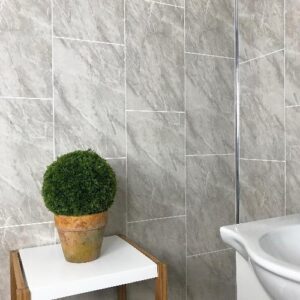
Bathroom wall panels, by contrast, are designed for speed and efficiency. Large panels cover more surface area in a single piece and can often be installed directly onto existing walls or even over old tiles. This dramatically reduces labour time, disruption, and overall renovation stress.
In a fast-paced society where homeowners want minimal downtime, this convenience is a major selling point.
Reduced Maintenance and Improved Hygiene
Grout is one of the most common pain points with tiled bathrooms. Over time, grout lines attract mould, mildew, and staining, especially in humid environments. Even with regular cleaning, grout can deteriorate and require re-sealing or replacement.
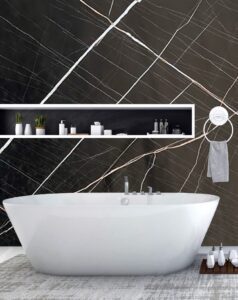
Bathroom panels eliminate this issue almost entirely. With minimal or no joints, panels create smooth, continuous surfaces that are easy to clean with a simple wipe. This makes them especially appealing to families, landlords, and older homeowners who want low-maintenance living.
In 2026, hygiene and cleanliness remain high priorities, and seamless wall systems support those expectations far better than traditional tiles.
Waterproof Performance and Long-Term Durability
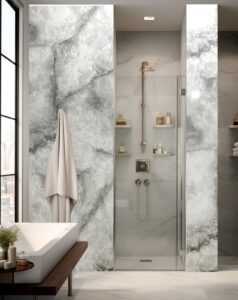
Modern bathroom panels are engineered to be fully waterproof when installed correctly. Unlike tiles, which rely heavily on grout integrity, panels form a continuous barrier that prevents moisture from penetrating the wall beneath.
This is particularly beneficial in showers and wet rooms, where water exposure is constant. Many UK homeowners are choosing uk panels specifically because they offer peace of mind against leaks, damp, and long-term structural damage.
With warranties often spanning 10–20 years, today’s panel systems are built for longevity, matching or even exceeding the lifespan of tiled installations.
Cost Efficiency in a Challenging Economy
Rising labour costs and material prices have made full bathroom renovations increasingly expensive in the UK. While premium tiles can be costly, the real expense often comes from installation time and skilled labour.
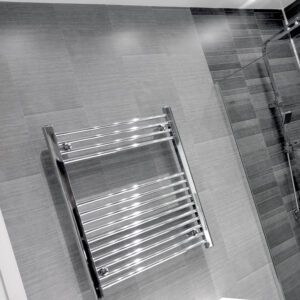
Bathroom panels offer a more predictable and often lower total cost. Reduced labour time, fewer additional materials, and simpler preparation contribute to significant savings. This makes panels particularly attractive for rental properties, first-time homeowners, and anyone renovating on a realistic budget.
Importantly, cost-effective no longer means low quality. Many homeowners are surprised by how premium modern panel finishes look once installed.
Modern Aesthetics and Design Flexibility
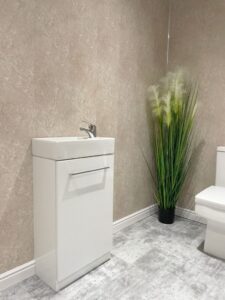
A common misconception is that tiles offer more design options than panels. While tiles certainly provide variety, modern bathroom panels now rival—and sometimes surpass—tiles in aesthetic versatility.
Panels are available in finishes such as:
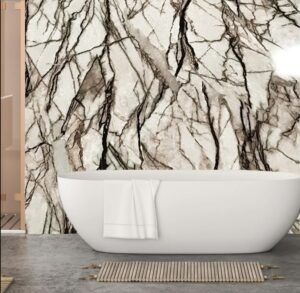
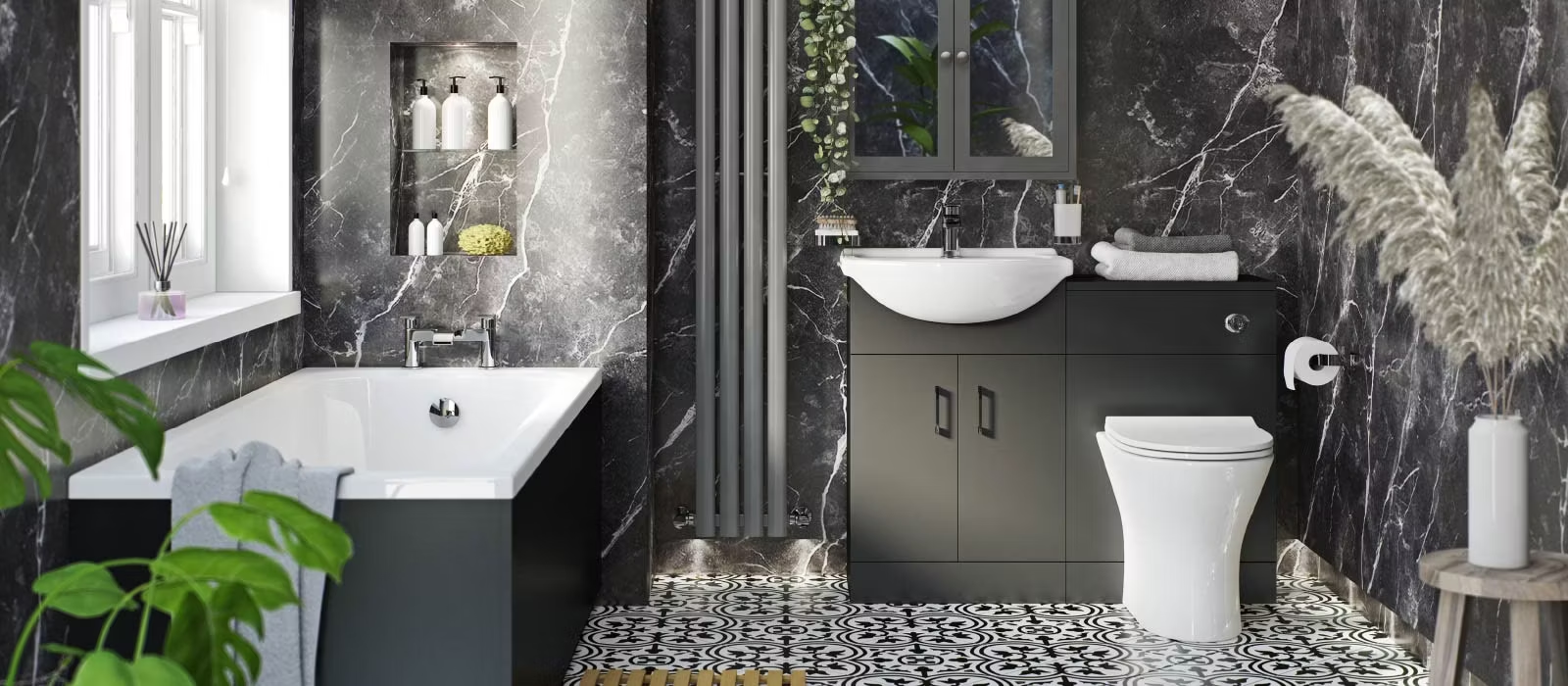
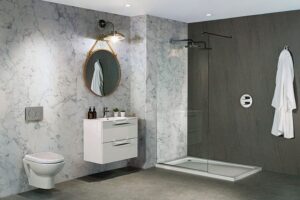
Marble and stone effects
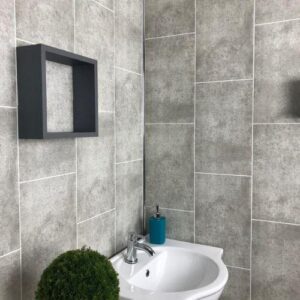
Concrete and industrial textures
Soft matte neutrals
Gloss and high-shine surfaces
Wood-inspired designs (without moisture risk)
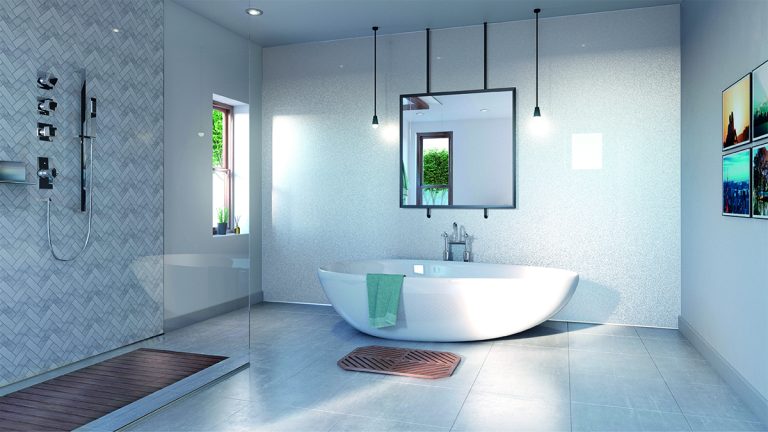
Large seamless surfaces create a clean, spa-like feel that aligns perfectly with current UK interior design trends. Many homeowners prefer the uncluttered look of panels compared to the busy appearance of small tiles and grout lines.
Ideal for Small and Awkward Bathrooms
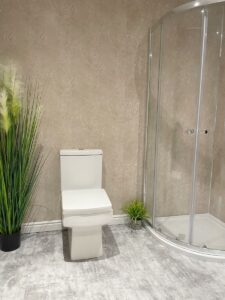
UK homes often feature compact bathrooms, ensuites, and cloakrooms. In smaller spaces, grout lines and busy tile patterns can make the room feel cramped.
Wall panels help create the illusion of space by reducing visual interruptions. Light-coloured or high-gloss panels reflect light more effectively, making small bathrooms feel larger and brighter.
This spatial advantage is one of the key reasons uk panels are becoming popular in urban apartments and terraced homes.
Sustainability and Environmental Considerations
Sustainability is playing a growing role in home improvement decisions. Many modern panels are manufactured using recyclable materials and energy-efficient processes.
Additionally, faster installation and reduced waste contribute to a smaller environmental footprint compared to tiling, which often involves excess materials, adhesives, and grout waste.
Some homeowners also choose panels during partial renovations, avoiding the need to remove existing tiles and send them to landfill.
A Smart Choice for Landlords and Property Developers
Landlords and property developers across the UK are increasingly opting for wall panels in rental properties. The reasons are simple:
Faster turnaround between tenants
Lower maintenance costs
Improved durability
Easy replacement if damaged
Panels also offer a modern, neutral aesthetic that appeals to a wide range of tenants, helping properties remain competitive in the rental market.
Blending Panels and Tiles: A Hybrid Trend
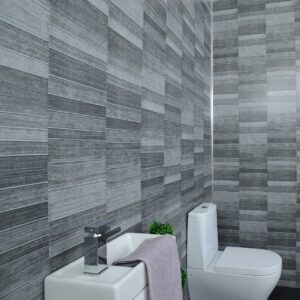
Interestingly, many homeowners are not completely abandoning tiles. Instead, they are combining panels and tiles strategically—using panels in high-moisture areas such as showers, while incorporating tiles as feature walls or splashbacks.
This hybrid approach allows homeowners to enjoy the practical benefits of panels while retaining the decorative appeal of tiles where maintenance is less demanding.
Addressing Common Myths About Bathroom Panels
Despite their growing popularity, some myths still surround bathroom panels:
Myth 1: Panels look cheap
Modern panels are designed to replicate premium materials convincingly and often look more seamless than tiles.
Myth 2: Panels don’t last
High-quality panels are extremely durable and resistant to cracking, unlike tiles which can chip or loosen over time.
Myth 3: Panels are only for budget renovations
In reality, panels are now used in luxury homes, hotels, and designer bathrooms across the UK.
Why This Trend Will Continue Beyond 2026
All signs suggest that bathroom panels will continue to grow in popularity well beyond 2026. As manufacturing improves and design options expand, panels are becoming a default choice rather than an alternative.
Homeowners value solutions that save time, reduce hassle, and deliver modern aesthetics without compromise. For many, uk panels tick every box.
Final Thoughts
The shift from tiles to bathroom wall panels in the UK is not a passing trend—it reflects changing priorities in how people renovate and live in their homes. Faster installation, lower maintenance, cost efficiency, and contemporary design have all contributed to the rise of panels as a preferred solution.
As more homeowners experience the benefits firsthand, word-of-mouth and professional recommendations continue to fuel adoption. Whether for a full renovation or a quick bathroom refresh, uk panels are reshaping bathroom design across the country.
In 2026, the question is no longer why choose panels, but why stick with tiles at all.