Introduction
In recent years, a quiet revolution has been transforming bathrooms across the UK. What once were tiled sanctuaries are now sleek, low-maintenance spaces fitted with modern bathroom wall panels. From Glasgow to London, homeowners are increasingly choosing aqua panels, wet wall panels, and PVC cladding over traditional tiles. But why the sudden shift? And are bathroom panels really the future of interior design?
This blog explores the reasons behind the growing popularity of bathroom panels in the UK, examining their benefits, the various types available, and how they compare with tiles. If you’re planning a bathroom renovation, this guide will help you understand why wall panels are now the go-to option for so many.
The Decline of Tiles in UK Bathrooms
Tiles have long been the staple of bathroom design. From Victorian-inspired mosaics to contemporary large-format ceramics, tiles offered a wide range of aesthetic and functional benefits. However, they come with a list of drawbacks: grout lines that grow mouldy, time-consuming installation, and regular maintenance that can quickly become a hassle.
UK homeowners are increasingly looking for solutions that not only look good but are also practical, hygienic, and cost-effective. Enter bathroom cladding a modern alternative that ticks all the boxes and more.
What Are Bathroom Wall Panels?
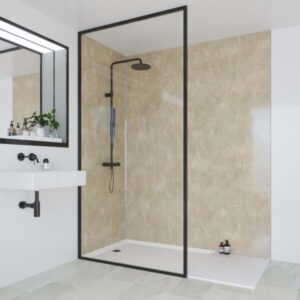
Bathroom wall panels, also known as shower panels or wet wall panels, are large, waterproof sheets designed to cover bathroom walls entirely. They come in various materials such as:
- PVC panels lightweight, waterproof, and cost-effective
- Aqua panels premium-quality decorative panels often used in showers
- Laminated panels durable and luxurious with realistic stone or tile effects
These panels are designed to interlock or be fixed to walls using adhesives, making them quick and easy to install.
Why Are UK Homeowners Choosing Bathroom Panels Over Tiles?
1. Hassle-Free Installation
Unlike tiles that require precision cutting, grouting, and several days of labour, bathroom panels can often be installed in a matter of hours. They’re perfect for both DIY enthusiasts and professional installers looking to save time.
No need for grout means no mess, no drying time, and no need to seal every few years.
2. Waterproof and Mould-Resistant
One of the biggest issues with tiles is grout it’s porous and prone to harbouring mould. Wet wall panels and aqua panels, on the other hand, are 100% waterproof and feature smooth, continuous surfaces that are easy to wipe clean.
This makes them ideal for high-moisture environments like showers and wet rooms, where maintaining hygiene is a top priority.
3. Low Maintenance
Tiles require constant upkeep from scrubbing grout lines to resealing. Bathroom cladding requires nothing more than a quick wipe with a cloth. The non-porous surfaces of PVC panels make them highly resistant to stains and watermarks, keeping your bathroom looking fresh with minimal effort.
4. Stylish and Versatile Designs
Think bathroom panels look too plain? Think again. Today’s wall panels come in a stunning range of finishes from marble, stone, and concrete effects to metallic sheens and high-gloss options.
Whether you’re aiming for a luxury spa vibe or a minimalist modern design, there’s a shower panel that will fit your vision. Panels are available in textures and colours to mimic tiles, brick, or even wood all without the associated maintenance.
5. Cost-Effective
Bathroom renovations can be pricey, especially with the labour costs involved in tiling. PVC panels offer a more affordable solution without compromising on appearance or performance. Even high-end aqua panels come in cheaper than premium tiles once you factor in installation and maintenance savings.
6. Eco-Friendly Options
Many wet wall panels are made from recyclable materials and use fewer resources in manufacturing compared to ceramic tiles. Choosing sustainable wall panels can be an environmentally conscious decision for homeowners seeking greener home improvement options.
Types of Bathroom Panels Available in the UK
Understanding the various types of bathroom panels can help you make an informed choice. Here’s a breakdown:
● PVC Bathroom Panels
- Lightweight, cost-effective, and easy to install
- Ideal for full wall coverage and ceilings
- Available in plain colours, patterns, and tile-effect finishes
● Shower Panels (Aqua Panels)
- High-performance panels built specifically for shower enclosures
- Often thicker and more durable than standard wall panels
- Provide a seamless and waterproof surface
● Wet Wall Panels
- Designed for wet rooms and high-humidity spaces
- Generally more robust and made from higher-grade materials
- Can be installed over existing tiles or plaster
● Laminated Bathroom Panels
- Feature decorative high-pressure laminate on a waterproof core
- Mimic stone, wood, or tile with impressive realism
- Offer a premium look with long-lasting performance

Real-Life Use Cases: How UK Homeowners Are Using Bathroom Panels
● Full Bathroom Renovations
Many UK homeowners are now choosing bathroom wall panels for full makeovers not just shower areas. Walls and ceilings can be fitted with matching or contrasting panels for a coordinated, luxurious appearance.
● Shower Cubicles and Enclosures
Shower panels are a perfect fit for cubicles. With no grout to clean and total waterproofing, they offer peace of mind and a slick, modern aesthetic.
● Landlords & Property Managers
Rental property owners across the UK are turning to PVC panels and wet wall panels as they reduce ongoing maintenance and appeal to tenants looking for easy-to-clean, stylish spaces.
How Do Wall Panels Compare to Tiles?
| Feature | Bathroom Wall Panels | Tiles |
|---|---|---|
| Installation Time | Fast | Time-consuming |
| Maintenance | Low | High (especially grout) |
| Water Resistance | Fully waterproof | Only when sealed properly |
| Hygiene | Mould-resistant | Grout can harbour mould |
| Cost | Lower overall | Higher (materials + labour) |
| Style Options | Wide variety | Traditional look |
| Longevity | 10–15 years+ | 10–20 years+ (with upkeep) |
As this table shows, bathroom panels offer clear advantages in terms of ease, hygiene, and cost. While tiles may still appeal to purists or those aiming for a very traditional aesthetic, the modern homeowner is leaning towards the sleek and simple appeal of wall panels.

Common Myths About Bathroom Panels Debunked
“Panels look cheap.”
High-quality aqua panels and laminated wet wall panels offer a premium look that rivals and often exceeds that of tiles.
“They’re not durable.”
Modern PVC and composite panels are built to withstand wear and tear for well over a decade with minimal maintenance.
“They limit design options.”
With hundreds of finishes, textures, and colours available, bathroom cladding offers as much if not more variety than tiling.

Final Thoughts: Should You Switch to Bathroom Wall Panels?
The answer for most UK homeowners is a resounding yes. Whether you’re renovating a family bathroom, installing an en-suite, or upgrading a rental property, bathroom wall panels provide a smart, attractive, and practical solution.
With innovations in aqua panels, wet wall panels, and PVC cladding, the options have never been more diverse or more accessible. You can achieve a polished, spa-like finish without the mess and expense of traditional tiles all while adding value to your home.
Ready to Make the Switch?
Explore our range of high-quality shower panels, bathroom cladding, and wet wall solutions to find the perfect fit for your next project. Say goodbye to grout, mould, and maintenance and hello to a fresh, functional and fabulous bathroom.