Introduction
Sustainability has become one of the defining themes in UK home improvement projects, and bathrooms are no exception. In 2025, homeowners are increasingly conscious of both their environmental impact and the long-term durability of materials they choose. Bathroom panels including aqua panels, shower panels, wet wall panels, PVC panels, bathroom cladding, and bathroom wall panels are at the forefront of this shift. These solutions provide eco-friendly alternatives to traditional tiles, reduce waste, improve energy efficiency, and deliver stylish, low-maintenance finishes.
This blog explores the best sustainable options available in the UK for 2025, guiding homeowners and contractors on how to create greener bathrooms with wall panels.
Why Sustainability Matters in Bathrooms
Bathrooms are typically resource-intensive spaces, consuming large amounts of water and energy. In addition, traditional bathroom finishes, such as ceramic tiles, often involve energy-heavy production processes and rely on grout and adhesives that are difficult to recycle. This has led to a growing demand for bathroom wall panels as a more sustainable choice.
Sustainable wall panels bring a number of advantages:
- Reduced Carbon Footprint: Many are manufactured using recycled or low-impact materials.
- Water Resistance: By reducing water leakage, they extend the lifespan of the bathroom.
- Low Maintenance: Panels require less cleaning with harsh chemicals, helping households cut down on harmful cleaning agents.
- Durability: Long-lasting bathroom finishes reduce the need for frequent replacements, cutting down on waste.
Types of Bathroom Panels for a Sustainable Future
1. Aqua Panels
Aqua panels are designed for wet environments and provide strong, water-resistant surfaces. In 2025, UK suppliers are offering aqua panels made from recycled and recyclable materials, helping reduce landfill waste. They are also lightweight, meaning reduced transportation emissions.
Benefits:
- Moisture resistance prevents mould and mildew growth.
- Often recyclable at the end of their lifespan.
- Ideal for showers, wet rooms, and high-humidity environments.
2. Shower Panels
Shower panels are fast becoming a popular alternative to tiles due to their seamless installation and eco-friendly design. They require fewer raw materials than ceramic tiles and eliminate grout, which often harbours bacteria and requires chemical cleaning.
Sustainable Features in 2025:
- Many are manufactured from sustainably sourced timber cores or recycled plastics.
- Reduced need for harsh chemical cleaners.
- Easy installation means less construction waste.
3. Wet Wall Panels
Wet wall panels are designed for full waterproof coverage in shower enclosures and wet rooms. In 2025, UK brands are focusing on recyclable wet wall panels and low-VOC adhesives, reducing harmful emissions during installation.
Why They’re Sustainable:
- Reduce water leaks that can damage structural elements of the home.
- Long lifespan decreases replacement frequency.
- Available in PVC-free options for eco-conscious buyers.
4. PVC Panels
PVC panels remain one of the most widely used bathroom solutions, but sustainability has been a challenge in the past. In 2025, however, manufacturers are introducing recycled PVC panels and ensuring they can be repurposed after use.
Key Benefits:
- Affordable and widely available.
- Lightweight, cutting down on transport emissions.
- Increasingly produced using recycled materials.
5. Bathroom Cladding
Bathroom cladding is a versatile option that covers large wall areas quickly and efficiently. Sustainable cladding in 2025 often incorporates eco-certified timber, recycled composites, or innovative plant-based resins.
Eco Advantages:
- Minimal grout use means less need for chemical cleaning.
- Long-lasting finishes reduce replacement cycles.
- Stylish options available without the environmental toll of tiles.
6. Bathroom Wall Panels
Bathroom wall panels are the broad category encompassing all of the above. They combine design flexibility with sustainability, offering UK homeowners plenty of eco-conscious choices. With options ranging from stone-effect to wood-effect finishes, these panels allow for luxury designs without depleting natural resources.

Comparing Sustainability: Panels vs Tiles
To fully understand the sustainability benefits, it’s useful to compare bathroom wall panels with traditional ceramic tiles:
| Feature | Tiles | Bathroom Panels |
|---|---|---|
| Production Impact | High energy required to fire tiles | Lower-energy manufacturing, especially with recycled materials |
| Installation | Requires grout, adhesives, cutting (more waste) | Simple installation with less waste |
| Maintenance | Needs chemical cleaners for grout | Wipes clean with mild detergents |
| Durability | Long-lasting but brittle | Flexible, impact-resistant, and durable |
| End-of-life | Hard to recycle | Panels increasingly recyclable |
Clearly, bathroom cladding and panels offer a greener path in 2025.

Innovations in 2025 Sustainable Bathroom Panels
The UK market in 2025 is seeing a wave of innovation in bathroom panels:
- Recycled Core Materials – Panels made from repurposed plastics and timber waste.
- Low-VOC Coatings – Reducing harmful indoor air pollutants.
- Bio-Based Resins – Derived from renewable sources like plant oils.
- Smart Panels – Incorporating insulation layers for better energy efficiency.
- Circular Economy Practices – Manufacturers offering take-back schemes for old panels to recycle into new ones.
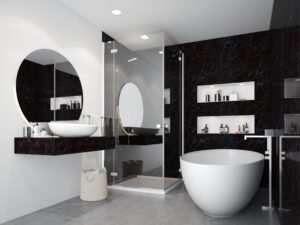
Practical Tips for Choosing Sustainable Bathroom Panels
- Check Certifications – Look for FSC-certified wood cores or products marked as recyclable.
- Go for Recyclable PVC Panels – If using PVC, choose recycled or recyclable versions.
- Opt for Long-Term Durability – Invest in high-quality wet wall panels that won’t need replacing soon.
- Minimise Transport Emissions – Source from UK-based suppliers to cut down on shipping impact.
- Low Maintenance Choices – Pick panels that require only water or mild soap for cleaning.

UK Brands Leading the Way in 2025
Several UK companies are making strides in sustainable bathroom panels:
- Multipanel – Known for recyclable bathroom wall panels with FSC-certified cores.
- Cladworks UK – Offers PVC-free bathroom cladding and eco-friendly adhesives.
- Showerwall – Focused on sustainable shower panels with extended warranties for durability.
These brands are helping homeowners make greener choices without sacrificing style or performance.
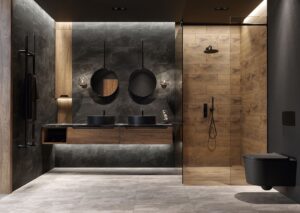
The Aesthetic Edge: Style Meets Sustainability
One of the biggest misconceptions is that eco-friendly choices mean compromising on design. In reality, 2025 bathroom panels combine sustainability with modern style:
- Stone-effect wet wall panels deliver luxury looks without quarrying.
- Wood-effect bathroom cladding creates a spa-like feel using sustainable composites.
- Glossy aqua panels provide a sleek finish while being low-maintenance.
With a wide range of finishes, sustainable panels cater to both contemporary and traditional tastes.

Conclusion: A Sustainable Future for UK Bathrooms
As we move through 2025, UK homeowners have more choices than ever for creating sustainable bathrooms. From aqua panels to wet wall panels, shower panels, PVC panels, bathroom cladding, and bathroom wall panels, the options available are durable, stylish, and environmentally conscious.
Switching from traditional tiles to modern bathroom panels not only reduces waste and energy use but also supports a circular economy where materials can be reused and recycled. By choosing sustainable wall panels, UK households can enjoy bathrooms that are eco-friendly, cost-effective, and beautiful a true win-win for people and the planet.