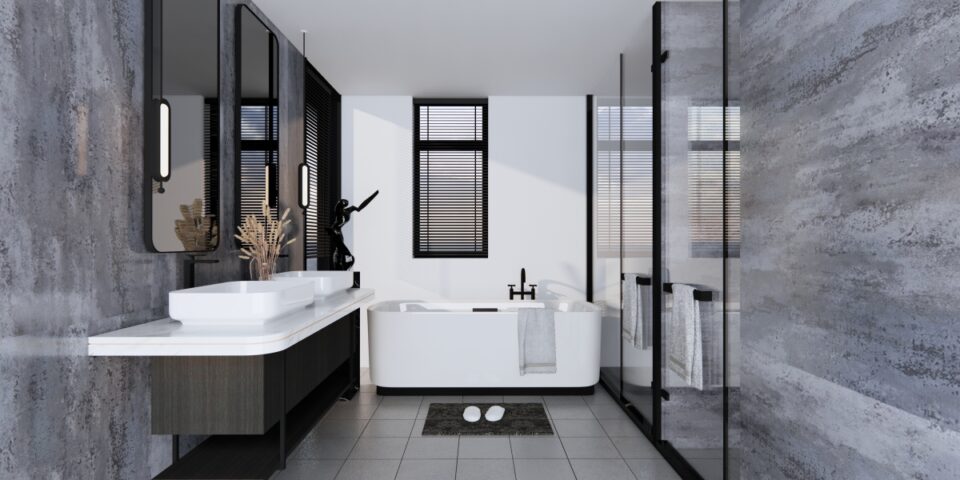
When it comes to upgrading your bathroom, the shower area is one of the most impactful spaces to renovate. Not only does it play a crucial role in the overall aesthetic of the room, but it’s also a high-moisture area that requires durable and water-resistant materials. If you’re thinking about renovating your shower area, one of the best options to consider is bathroom panels. These are becoming an increasingly popular choice due to their ease of installation, affordability, and impressive aesthetic qualities.
Bathroom panels, specifically designed for use in wet environments like showers, offer a simple yet effective solution for transforming your space. Whether you opt for bathroom cladding, shower panels, or wet wall panels, these products can breathe new life into your shower area, providing a modern look with enhanced functionality.
In this blog, we’ll guide you through how to change your shower area using bathroom panels, discussing everything from the benefits of bathroom panels to the types available, and the steps involved in installing them.
Why Choose Bathroom Panels for Your Shower Area?
Before diving into the specifics of how to install bathroom panels, it’s important to understand why they’re a great choice for a shower renovation project.
1. Durability and Water Resistance
Bathrooms are high-moisture environments, and the shower area, in particular, is exposed to a lot of water. Traditional wall tiles can be prone to grout lines becoming discoloured, and they can sometimes allow water to seep behind them, causing damage to the walls. Bathroom panels, on the other hand, are typically made from materials like PVC (Polyvinyl Chloride), which are water-resistant and much more durable than other options.
2. Easy to Maintain
Bathroom panels are designed to be low-maintenance. Unlike tiles, which require regular scrubbing to prevent mold and mildew buildup in the grout lines, bathroom panels offer a seamless surface that’s easier to wipe down. Whether you opt for PVC panels or wet wall panels, cleaning becomes a breeze, and you can spend more time enjoying your shower and less time scrubbing.
3. Aesthetic Appeal
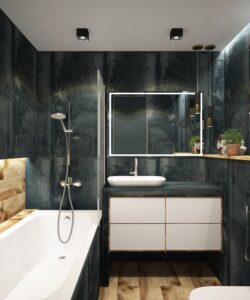
Bathroom panels come in a variety of designs, textures, and finishes, allowing you to customize your shower area according to your personal style. Whether you prefer the look of sleek modern finishes, natural stone effects, or wood-inspired textures, there’s a bathroom panel design to suit every taste. These panels can completely transform the look of your shower area and add a luxurious feel to your bathroom.
4. Quick and Easy Installation
One of the most significant advantages of bathroom panels is the simplicity of their installation. Unlike traditional tiling, which can be labour-intensive and time-consuming, bathroom panels are often designed to be installed quickly and easily. Whether you hire a professional or choose to do it yourself, bathroom panels can save you time and hassle during the renovation process.

Types of Bathroom Panels
Now that you know why bathroom panels are an excellent choice, let’s look at the different types of panels available for your shower area. Understanding the options can help you select the right product for your specific needs and preferences.
1. Bathroom Cladding
Bathroom cladding is a popular choice for covering the walls of shower areas. It’s a versatile solution that provides both protection and aesthetic appeal. Bathroom cladding panels are typically made from PVC or similar materials and can be installed directly onto the wall to create a waterproof barrier.
Cladding comes in a wide range of colours, textures, and designs, so you can create a personalized look for your shower. Whether you choose a high-gloss finish for a contemporary feel or a textured surface for a more natural vibe, bathroom cladding offers a range of options to suit every taste.
2. PVC Panels
PVC panels are among the most widely used bathroom panels, thanks to their durability, low maintenance, and excellent water resistance. These panels are lightweight, easy to install, and can be used in a variety of settings, including shower areas.
PVC panels come in an array of styles and finishes, from glossy white panels that reflect light and make your bathroom appear larger to textured finishes that mimic the look of tiles or natural stone. Because PVC is highly water-resistant, it’s perfect for high-humidity areas like the shower, ensuring that your walls stay dry and free from water damage.
3. Shower Panels
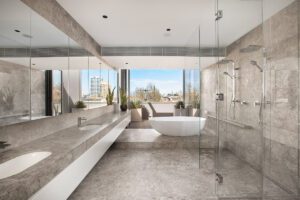
Shower panels are specifically designed for use in wet areas, and they are often larger and thicker than standard bathroom wall panels. These panels are designed to fit seamlessly together, creating a smooth and waterproof surface for your shower. Shower panels are available in various finishes, including marble, granite, and wood-effect designs, so you can create a look that suits your style.
Shower panels can be made from materials like acrylic, PVC, or composite materials, each offering varying degrees of durability, style, and ease of installation. One of the biggest advantages of shower panels is that they are often sold in pre-assembled sheets, making the installation process faster and simpler.
4. Wet Wall Panels
Wet wall panels are another excellent option for covering your shower area. These panels are designed to withstand constant exposure to water and high humidity, making them a fantastic choice for shower areas. Wet wall panels come in a wide range of styles, from classic white finishes to more elaborate designs that mimic natural stone or wood.
Wet wall panels can be installed directly onto the existing walls of your shower, eliminating the need for demolition or major alterations to the space. They offer a seamless, grout-free surface that’s easy to clean and maintain, which makes them an attractive option for busy bathrooms.

How to Install Bathroom Panels in Your Shower Area
Installing bathroom panels in your shower area is a relatively straightforward process, especially if you choose the right type of panels for your needs. Here’s a step-by-step guide to help you install your bathroom panels and achieve a stunning new shower area.
Step 1: Measure Your Shower Area
Before purchasing your bathroom panels, measure the dimensions of your shower area to determine how many panels you will need. This is crucial to ensure that you buy the correct amount of material and avoid running out during the installation process.
Step 2: Prepare the Surface
Next, you’ll need to prepare the wall surface. If you’re replacing old tiles, it’s important to remove them carefully to ensure the wall underneath is smooth and clean. If you’re installing panels over existing panels, ensure the surface is free from any debris or mold. A clean, dry surface is essential for the adhesive to bond properly.
Step 3: Cut the Panels to Size
Depending on the dimensions of your shower area, you may need to cut the bathroom panels to fit. PVC panels and wet wall panels are relatively easy to cut using a utility knife or a saw, allowing you to customize them to your specific measurements.

Step 4: Apply Adhesive
Apply a waterproof adhesive or silicone sealant to the back of each panel. Be sure to follow the manufacturer’s instructions for the type of adhesive recommended for your panels. It’s essential to apply a generous amount of adhesive to ensure a secure bond.
Step 5: Install the Panels
Start installing the panels from the bottom of the wall and work your way up. Place each panel against the wall, pressing it firmly into place. Use a spirit level to ensure the panels are installed straight and aligned correctly. If necessary, use a rubber mallet to gently tap the panels into position.
Step 6: Seal the Joints
Once all the panels are in place, you’ll need to seal the joints where the panels meet. Use silicone sealant to ensure that no water can seep through the gaps. This is particularly important in wet areas like showers, where a tight seal will prevent moisture damage to your walls.
Step 7: Finishing Touches
Finally, add any finishing touches, such as trim or corner pieces, to give your shower area a polished look. These trim pieces can be installed using adhesive and will help to cover any exposed edges, giving your shower area a sleek and professional finish.
Conclusion
Changing your shower area using bathroom panels is a fantastic way to enhance the functionality and appearance of your bathroom. Whether you choose bathroom cladding, PVC panels, shower panels, or wet wall panels, you can create a waterproof, low-maintenance, and stylish space that will last for years. The installation process is relatively simple, and with a wide range of design options, you can customize your shower area to reflect your personal style.
By choosing bathroom panels for your shower renovation, you’re investing in a durable, easy-to-maintain solution that will transform your space into a relaxing and luxurious retreat.