
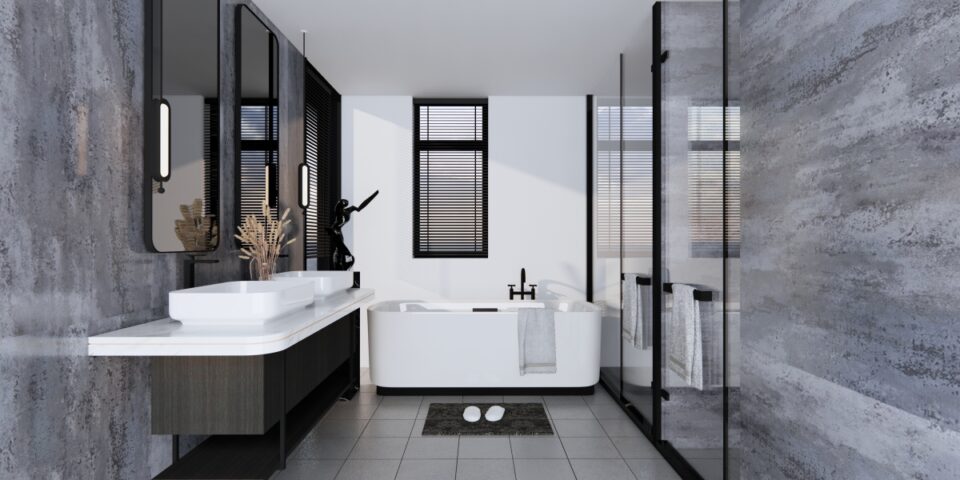
Introduction: The Sustainable Bathroom Revolution in the UK
The UK is in the midst of a major transformation in how homes are designed, renovated, and upgraded, with sustainability at the heart of this shift. Bathrooms, once seen purely as functional spaces, are now considered key areas where environmental responsibility, wellness, and style intersect. In 2026, homeowners across the UK are prioritising eco-conscious materials, water efficiency, long-lasting finishes, and low-maintenance solutions. One of the biggest contributors to this movement is the growing adoption of modern wall panel systems.
Sustainable bathroom design is no longer a niche trend—it is becoming the standard. Rising energy costs, environmental awareness, and stricter building regulations are driving people to choose materials that reduce waste, improve energy efficiency, and enhance durability. Wall panels, in particular, offer a compelling alternative to traditional tiles, combining aesthetic appeal with environmental benefits.
This in-depth guide explores the UK’s best sustainable bathroom options for 2026, with a special focus on modern wall panel solutions, design trends, material choices, installation benefits, environmental impact, and long-term value. Whether you are planning a complete renovation or a small upgrade, this article provides everything you need to know to create a future-proof, eco-friendly bathroom.
1. The Shift Toward Sustainable Bathroom Design in the UK
1.1 Environmental Awareness and Changing Consumer Priorities
In recent years, UK homeowners have become increasingly aware of their environmental footprint. Climate change, rising utility bills, and a growing focus on wellness have led many people to rethink how their homes are built and maintained. Bathrooms, in particular, play a significant role in household water usage, energy consumption, and material waste.
The modern sustainable bathroom aims to:
Reduce water usage
Improve energy efficiency
Use eco-friendly and recyclable materials
Minimise waste during installation
Extend product lifespan
Wall panels fit neatly into all these goals, offering an alternative to ceramic tiles that requires less adhesive, fewer tools, and minimal ongoing maintenance.
1.2 Government Policies and Green Building Regulations
The UK government continues to introduce policies aimed at reducing carbon emissions and promoting sustainable construction. Building regulations increasingly encourage the use of energy-efficient systems, recyclable materials, and low-impact manufacturing processes. This regulatory environment has pushed manufacturers to innovate, resulting in advanced wall panel solutions that meet both performance and environmental standards.
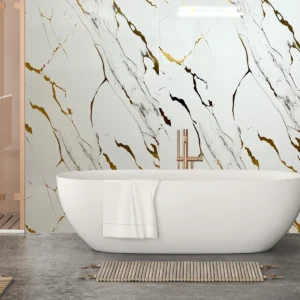
2. Why Wall Panels Are Transforming Sustainable Bathroom Design
2.1 Durability and Longevity
One of the most significant environmental advantages of wall panels is their durability. High-quality panels can last 20–30 years or more, significantly reducing the need for replacements. Fewer replacements mean lower material consumption, less waste, and reduced carbon emissions over time.
2.2 Reduced Installation Waste
Traditional tiling involves large amounts of grout, adhesives, and offcuts, much of which ends up in landfill. Wall panels are manufactured in large sheets, which means:
Less cutting
Fewer offcuts
Reduced packaging
Faster installation
This leads to a cleaner, more efficient installation process with a smaller environmental footprint.
2.3 Lower Maintenance and Fewer Chemicals
Grout lines in tiled bathrooms often require harsh chemical cleaners to prevent mould and staining. Wall panels are grout-free and easy to clean, reducing the need for chemical cleaning products. This not only benefits the environment but also improves indoor air quality.
3. Key Materials Used in Sustainable Bathroom Wall Panels
3.1 Recycled PVC Panels
Recycled PVC is one of the most popular materials used in modern wall panel manufacturing. These panels are:
Lightweight
Fully waterproof
Highly durable
Recyclable
Manufacturers are now using post-consumer and post-industrial recycled content, helping to divert plastic waste from landfills and oceans.
3.2 FSC-Certified Timber Core Panels
Some premium wall panels use FSC-certified timber cores, ensuring the wood comes from responsibly managed forests. These panels offer a warm, natural aesthetic while maintaining excellent water resistance when properly sealed.
3.3 Bamboo-Based Composite Panels
Bamboo is one of the fastest-growing renewable resources in the world. Panels reinforced with bamboo fibres provide excellent strength, moisture resistance, and sustainability credentials.
3.4 Mineral Composite Panels
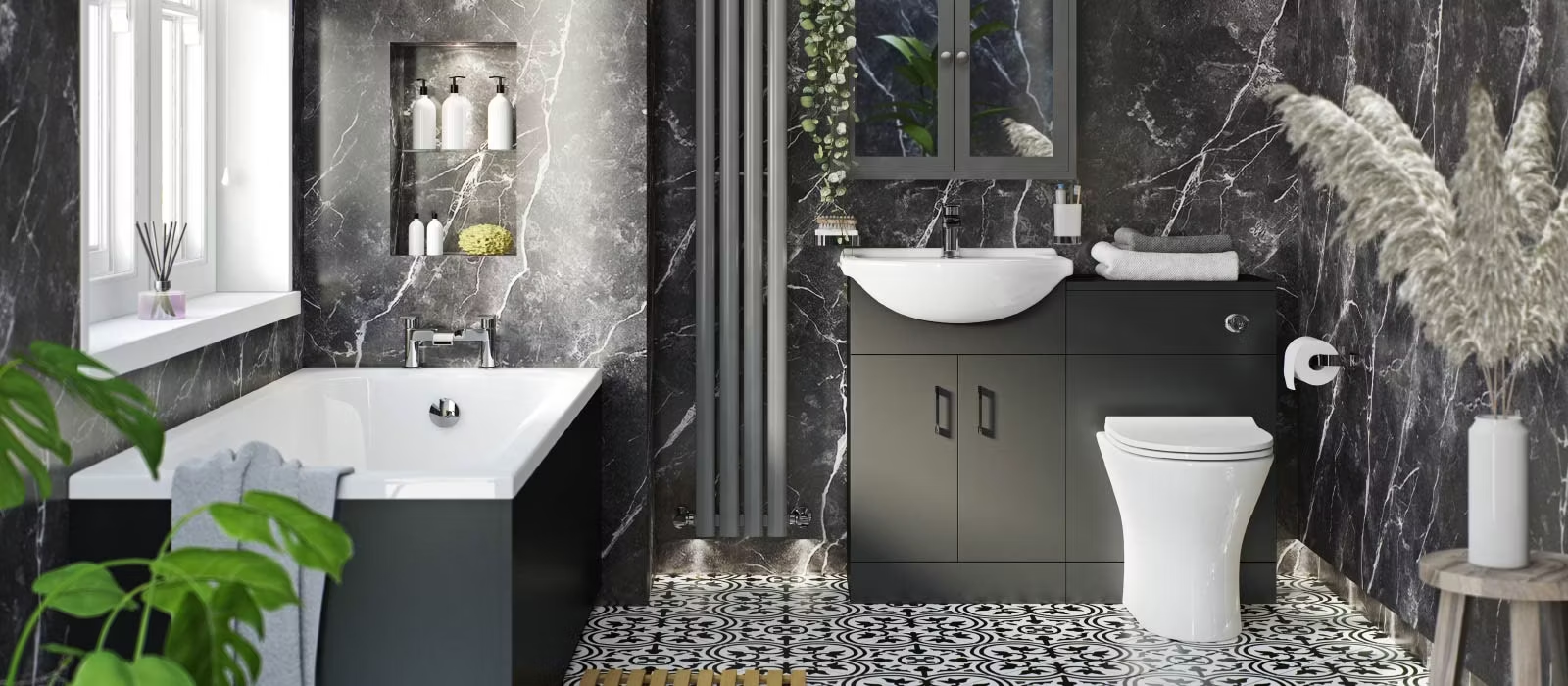
These panels combine natural minerals with eco-resins to create ultra-durable, low-impact wall coverings. They often mimic stone or marble finishes, delivering luxury aesthetics without the environmental cost of quarrying natural stone.

4. The Environmental Benefits of Choosing Wall Panels
4.1 Lower Carbon Footprint
Manufacturing wall panels typically requires less energy than producing ceramic tiles, especially when recycled materials are used. Additionally, local UK manufacturing reduces transport emissions, further lowering carbon impact.
4.2 Waste Reduction Across the Product Lifecycle
From production to installation and eventual disposal, wall panels generate significantly less waste. Many manufacturers now operate closed-loop recycling systems, ensuring old panels can be repurposed into new products.
4.3 Improved Energy Efficiency
Some wall panels offer added thermal insulation, helping maintain bathroom temperatures and reducing heating demand. This can lead to noticeable energy savings over time.
5. Design Trends Shaping Sustainable Bathrooms in 2026
5.1 Nature-Inspired Interiors
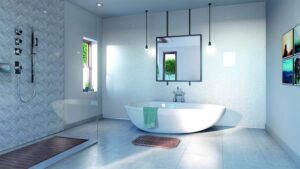
Biophilic design continues to dominate UK interiors. Wood textures, stone finishes, and earthy colour palettes help create calming, spa-like bathrooms that promote relaxation and well-being.
5.2 Seamless Minimalism
Clean lines, grout-free surfaces, and uninterrupted wall finishes are key elements of modern sustainable bathrooms. Wall panels allow for sleek, contemporary spaces that are easy to clean and visually expansive.
5.3 Spa-Style Wellness Retreats
Homeowners are increasingly transforming their bathrooms into private wellness retreats. Features such as rainfall showers, freestanding tubs, ambient lighting, and textured wall finishes enhance relaxation while supporting mental well-being.
5.4 Compact Urban Solutions
With urban living spaces becoming smaller, efficient bathroom design is more important than ever. Wall panels help maximise visual space, simplify layouts, and streamline maintenance in compact environments.
6. Practical Advantages of Wall Panels Over Traditional Tiles
6.1 Faster Installation
Wall panels can be installed up to five times faster than tiles, significantly reducing labour time and costs. This also minimises disruption to household routines.
6.2 Cost Efficiency Over Time
While initial costs can be comparable to high-end tiles, the long-term savings are substantial due to:
Reduced cleaning products
Lower maintenance
Fewer repairs
Longer lifespan
6.3 Hygienic Properties
The seamless nature of wall panels prevents mould growth and bacterial build-up, making them ideal for households with children, elderly residents, or allergy sufferers.
7. Water and Energy Efficiency: Completing the Sustainable Bathroom
Wall panels form only one part of a sustainable bathroom ecosystem. To maximise environmental impact, they should be combined with:
Low-flow showerheads
Dual-flush toilets
Aerated taps
LED lighting
Energy-efficient ventilation systems
Together, these features significantly reduce water and energy consumption while enhancing comfort and usability.

8. Sustainable Installation Practices
Professional installers increasingly adopt eco-friendly methods, such as:
Using low-VOC adhesives
Minimising packaging waste
Recycling offcuts
Choosing locally sourced materials
This ensures that sustainability is embedded throughout the entire renovation process.

9. Health and Wellness Benefits
A sustainable bathroom is not just environmentally responsible—it also supports physical and mental health.
9.1 Improved Indoor Air Quality
Low-emission wall panels reduce volatile organic compounds (VOCs), contributing to cleaner indoor air and fewer respiratory issues.
9.2 Stress Reduction
Natural textures, warm colours, and soft lighting create soothing environments that help reduce stress and promote relaxation.
10. Long-Term Value and Property Appeal
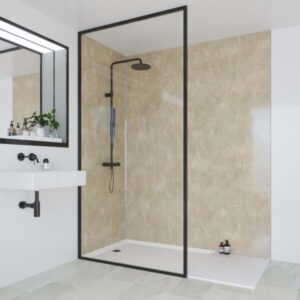
Sustainable bathroom upgrades can significantly increase property value. Buyers are increasingly looking for eco-friendly features, energy-efficient systems, and low-maintenance designs. Wall panels deliver all these benefits, making them a smart long-term investment.
11. Maintenance Tips for Long-Lasting Performance
To ensure durability and sustainability:
Clean regularly using mild, eco-friendly detergents
Avoid abrasive cleaning tools
Inspect sealant annually
Maintain proper ventilation
These simple steps can extend the lifespan of wall panels and maintain their appearance for decades.
12. Future Innovations in Sustainable Bathroom Design
Looking beyond 2026, the bathroom industry is expected to see further advancements in:
Fully recyclable composite panels
Bio-based resins
Smart moisture-detection systems
Integrated energy recovery ventilation
These innovations will continue to reduce environmental impact while enhancing comfort and performance.

13. Making the Right Choice for Your Home
When choosing sustainable wall solutions, consider:
Material origin
Recyclability
Manufacturer certifications
Warranty length
Installation methods
Taking a holistic approach ensures that your bathroom upgrade aligns with both environmental and lifestyle goals.
14. Final Thoughts
The UK’s sustainable bathroom movement is redefining how homes are built, renovated, and enjoyed. In 2026, eco-conscious design is no longer a luxury—it is a necessity. Modern wall panel systems offer an elegant, durable, and environmentally responsible alternative to traditional tiling, supporting the shift toward greener living.
By choosing high-quality materials, efficient fixtures, and thoughtful design, homeowners can create bathrooms that are not only beautiful and functional but also aligned with long-term sustainability goals.
Incorporating bathroom panels into your renovation plans allows you to achieve modern aesthetics, lower environmental impact, and superior performance—all in one seamless solution. With thoughtful planning and sustainable choices, your bathroom can become a powerful expression of responsible living in the years ahead.
