Introduction
If you’re looking to renovate or refresh your bathroom, chances are you’ve come across a wide array of materials and styles. One standout trend that continues to grow in popularity is the use of bathroom panels a smart, stylish, and affordable alternative to traditional tiles. Whether you’ve heard them referred to as shower panels, wet wall panels, or aqua panels, these sleek surfaces are revolutionising how we approach bathroom design.
In this comprehensive guide, we’ll dive into everything you need to know about bathroom wall panels, including the different types available, the benefits they offer, and why PVC panels and bathroom cladding might be exactly what your space needs.
What Are Bathroom Panels?
Bathroom panels, sometimes called bathroom wall panels or shower panels, are large, waterproof sheets designed to cover the walls in your bathroom. They’re typically used in place of ceramic tiles, offering a seamless look and a wide variety of design options.
These panels come in several materials, with PVC panels (polyvinyl chloride) being among the most popular due to their affordability, lightweight structure, and ease of installation. Wet wall panels and aqua panels are terms often used interchangeably, referring to water-resistant cladding that performs excellently in humid, wet environments like showers and bathrooms.

Types of Bathroom Panels
1. PVC Panels
PVC bathroom panels are lightweight, durable, and easy to install. They’re ideal for DIY bathroom renovations and come in a variety of styles, including high gloss, matt, and textured finishes.
Key Benefits:
- Budget-friendly
- Low maintenance
- Resistant to mould and mildew
- Available in a wide range of colours and patterns
2. Aqua Panels
Aqua panels are high-performance waterproof panels designed specifically for wet environments. While similar to other wet wall panels, aqua panels are often favoured in luxury bathrooms due to their superior water resistance and structural integrity.
Ideal For:
- Shower enclosures
- Full wall cladding in steam rooms and spas
- Bathrooms with high humidity
3. Wet Wall Panels
Wet wall panels are designed to withstand constant exposure to water. They provide a grout-free alternative to tiles, making them easier to clean and more hygienic.
Popular Uses:
- Shower cubicles
- Bath surrounds
- Full bathroom wall coverage
4. Laminate Panels
While not as common as PVC, laminate bathroom panels offer a premium aesthetic and often mimic natural materials like stone or wood.
Pros:
- Luxurious appearance
- Extremely durable
- Higher cost but long lifespan
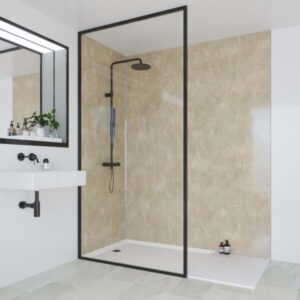
Why Choose Bathroom Wall Panels Over Tiles?
When weighing the options between tiles and bathroom panels, many homeowners find that panels come out on top for several key reasons:
1. Ease of Installation
Unlike tiles, which require grouting and precise placement, PVC panels and other bathroom cladding options can be installed quickly and easily, often over existing walls or tiles.
2. Low Maintenance
No grout means no grout cleaning. Bathroom wall panels simply need a wipe-down with a damp cloth to keep them looking fresh.
3. Waterproof and Mould-Resistant
Designed specifically for wet environments, wet wall panels and aqua panels are resistant to water ingress, reducing the chance of mould, mildew, and structural damage.
4. Seamless Look
With fewer joints and no grout lines, panels offer a sleek, contemporary appearance that tiles often can’t match.
5. Cost-Effective
While high-end panels can be expensive, many PVC bathroom panels are very affordable and offer excellent value for money.
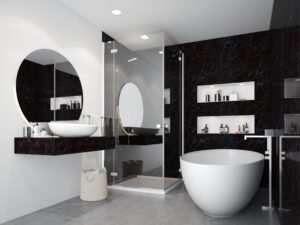
Design Options for Bathroom Panels
One of the biggest advantages of using bathroom panels is the variety of design choices available. Whether you’re aiming for a minimalist modern look or something more rustic or luxurious, there’s a panel style to suit.
Popular Styles Include:
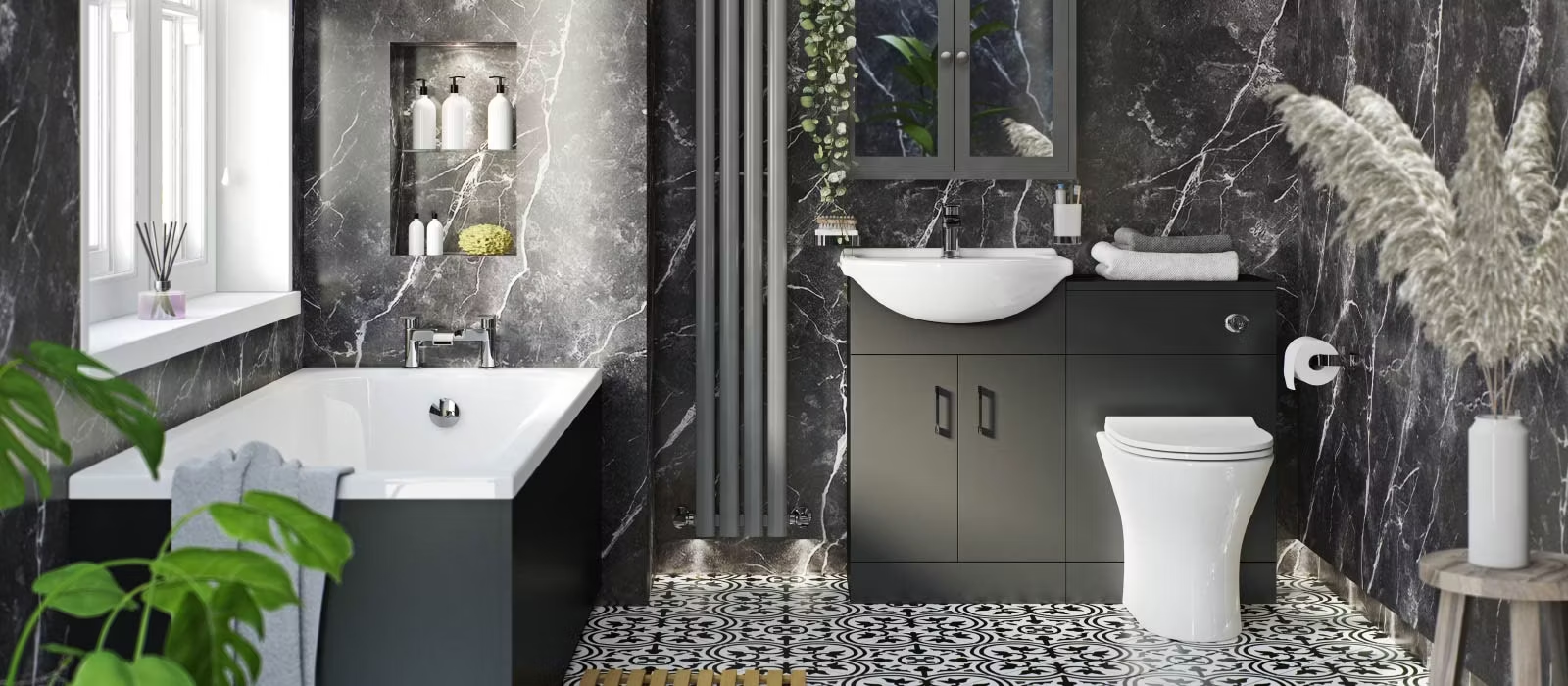
- Marble effect: Adds elegance without the cost or maintenance of real marble.
- Gloss white: Brightens the space and reflects light, perfect for small bathrooms.
- Tile-effect panels: Mimic the look of tiles without the grout.
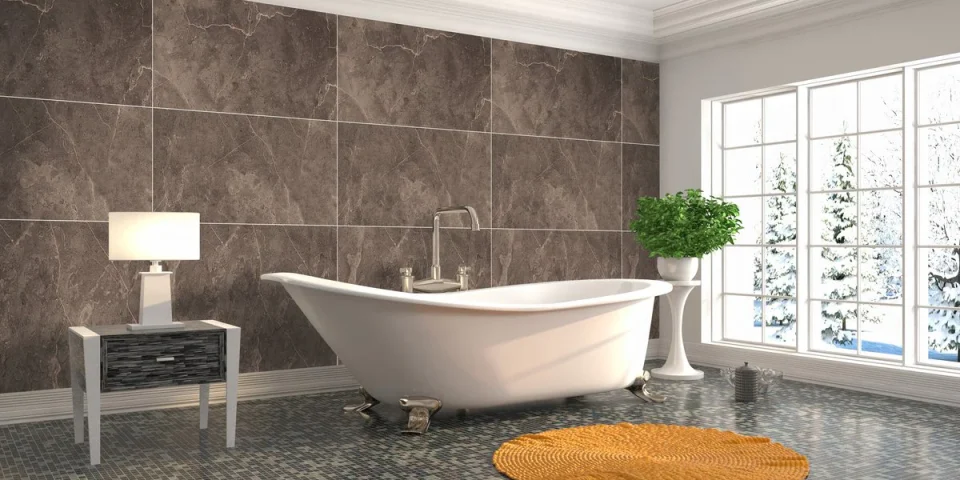
- Stone and slate finishes: Ideal for spa-like, natural vibes.
- Woodgrain panels: Bring warmth and texture to the room.
With aqua panels and wet wall panels, you can even mix and match different designs to create feature walls or highlight specific areas such as around the bath or inside the shower enclosure.
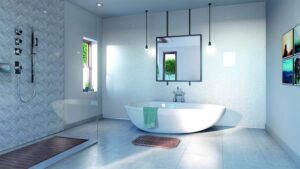
How to Install Bathroom Panels
One of the standout features of PVC bathroom panels is how simple they are to install. With a bit of DIY know-how, you can completely transform your bathroom in just a weekend.
Tools and Materials Needed:
- Measuring tape
- Utility knife or fine-tooth saw
- Adhesive (panel-specific or multi-purpose)
- Sealant
- Spirit level
- Trims (for edges, corners, and joins)
Steps:
- Prepare the Wall: Clean and dry the surface. Panels can be applied over tiles or plasterboard.
- Measure and Cut: Measure each panel and cut to size.
- Apply Adhesive: Spread adhesive on the back of the panel or wall.
- Fix in Place: Press the panel firmly against the wall, starting from one corner.
- Seal the Edges: Use sealant and trims to ensure a waterproof finish.
Pro tip: Always start in the most visible corner or area to ensure the neatest finish where it counts.

Where to Use Bathroom Panels
While typically used in showers, bathroom panels are incredibly versatile. You can use them to:
- Line entire bathroom walls for a cohesive look
- Create feature walls behind sinks or mirrors
- Surround a freestanding bath
- Build out wet rooms or open shower areas
- Add a splashback behind basins or vanities
And thanks to the waterproof qualities of aqua panels and wet wall panels, they’re suitable not only for residential bathrooms but also for gyms, spas, salons and even commercial restrooms.
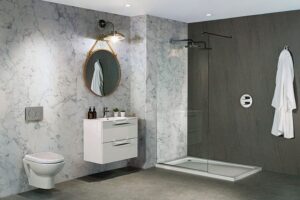
Bathroom Cladding: A Versatile Finishing Touch
Bathroom cladding is a broader term often used to describe wall panels, ceiling panels, and even decorative trims. Cladding is perfect for creating a complete, cohesive finish. Ceiling panels made from PVC can match or complement your bathroom wall panels, completing the look without the need for painting or regular upkeep.
In addition to improving aesthetics, bathroom cladding helps improve insulation and moisture protection, making it a smart investment for long-term durability.
Common Myths About Bathroom Panels
Let’s bust a few misconceptions:
Myth 1: “Bathroom panels look cheap.”
Truth: While early versions might have lacked style, today’s shower panels and aqua panels come in luxurious finishes that rival high-end tiles.
Myth 2: “Panels are hard to replace.”
Truth: Unlike tiles, individual panels can often be replaced with minimal fuss if damaged.
Myth 3: “They trap moisture behind the panels.”
Truth: When properly installed with sealant and ventilation, panels are 100% safe and hygienic.
Maintenance Tips for Long-Lasting Panels
Keeping your bathroom panels in top shape is easy with these simple tips:
- Wipe down regularly with warm soapy water
- Avoid abrasive cleaners or scrubbers
- Check seals and trims occasionally for wear
- Ensure proper ventilation in your bathroom to reduce humidity
By following these steps, your PVC panels and wet wall cladding can look pristine for years.
Final Thoughts
Bathroom panels whether you opt for aqua panels, shower panels, wet wall panels, or PVC cladding are a game-changer in the world of interior design. They offer an unbeatable mix of affordability, durability and aesthetic flexibility that tiles often struggle to compete with.
So, if you’re planning your next bathroom renovation, consider making the switch. From seamless shower walls to full-room transformations, bathroom wall panels are a stylish and practical solution for modern living.