Introduction
When it comes to designing or renovating a bathroom in 2025, one of the most important decisions homeowners need to make is choosing the right materials for the walls. Bathroom panels have become a popular choice due to their modern appeal, ease of installation, and functionality. Whether you are upgrading your bathroom for aesthetic reasons or simply replacing old tiles, bathroom panels offer a practical solution that combines beauty with durability.
In this comprehensive guide, we’ll dive deep into the world of bathroom panels. We’ll explore their types, benefits, installation process, and how they can enhance the look and feel of your bathroom. By the end of this blog, you’ll be equipped with all the knowledge you need to make an informed decision when choosing bathroom panels for your space.
What Are Bathroom Panels?
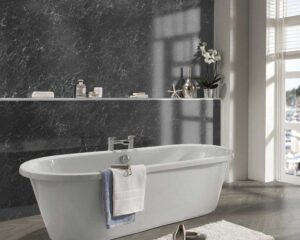
Bathroom panels are large sheets or boards used to cover the walls in a bathroom. They are typically made from materials that are resistant to water, mold, and mildew, which are common problems in damp environments. Unlike traditional tiles, which require grout and can be time-consuming to install, bathroom panels offer a seamless, easy-to-maintain alternative.
Bathroom panels come in a variety of materials, colours, textures, and styles, making them suitable for various bathroom designs. They are typically installed using adhesive or a click-lock system, depending on the type of panel. Panels can be used on walls, ceilings, and sometimes even as splashbacks behind sinks or tubs.

Types of Bathroom Panels
There are several types of bathroom panels available, each with unique features, advantages, and suitable applications. Let’s take a look at some of the most common types:
1. PVC (Polyvinyl Chloride) Bathroom Panels
PVC bathroom panels are among the most popular options. They are lightweight, waterproof, and easy to install. Made from durable plastic, PVC panels come in a wide range of styles, including glossy, matte, and textured finishes. Some panels even mimic the appearance of tiles, wood, or stone, offering the look of luxury without the hassle of maintenance.
Advantages of PVC Panels:
- Waterproof: PVC panels are completely waterproof, making them ideal for use in high-moisture areas like bathrooms.
- Low Maintenance: PVC panels are easy to clean and don’t require re-grouting like traditional tiles.
- Affordable: PVC panels are generally more affordable than other bathroom panelling options.
- Variety: PVC panels come in numerous colours, patterns, and designs to suit different bathroom themes.
Disadvantages of PVC Panels:
- Prone to Scratches: While durable, PVC panels can get scratched more easily compared to some other materials.
- Aesthetic Appeal: Some people might find PVC less luxurious compared to other options like wood or stone.
2. Acrylic Bathroom Panels
Acrylic bathroom panels are made from a high-quality plastic polymer that’s known for its durability and flexibility. These panels have a glossy finish, providing a sleek and shiny look. Acrylic panels are resistant to fading and staining, making them a great option for a long-lasting bathroom solution.
Advantages of Acrylic Panels:
- Stain and Scratch Resistant: Acrylic panels are more resistant to stains and scratches than other plastic-based panels.
- Seamless Appearance: Acrylic panels can be installed without seams, resulting in a clean and modern look.
- Lightweight: Acrylic panels are lightweight, which makes them easy to handle during installation.
Disadvantages of Acrylic Panels:
- Prone to Cracking: While durable, acrylic panels can crack if they are subjected to heavy impact.
- Cost: Acrylic panels can be pricier compared to PVC, especially for higher-end designs.

3. Wooden Bathroom Panels
Wooden bathroom panels are perfect for creating a natural, warm, and rustic feel. Typically made from MDF (medium-density fibreboard) or wood veneer, these panels offer the beauty of wood without the full commitment of solid wood.
Advantages of Wooden Panels:
- Aesthetic Appeal: Wooden panels offer a classic, elegant, and organic look that can complement any bathroom style.
- Customizable: Wooden panels can be easily painted or stained to achieve the desired colour or finish.
- Insulation: Wood provides natural insulation, making the bathroom feel warmer.
Disadvantages of Wooden Panels:
- Moisture Sensitivity: Wood is more prone to damage from moisture and requires treatment with water-resistant finishes.
- Maintenance: Wooden panels may require more maintenance than plastic-based alternatives to ensure they remain waterproof and don’t warp over time.
4. Stone or Marble Bathroom Panels
For a luxurious, high-end look, stone or marble bathroom panels are an excellent choice. These panels are typically made from natural stone or composite materials that mimic the appearance of real marble. Stone panels are known for their elegant appeal and durability.
Advantages of Stone/Marble Panels:
- Luxurious Aesthetic: Stone and marble create a high-end, sophisticated atmosphere in your bathroom.
- Durable: These panels are incredibly durable and will last for many years if properly maintained.
- Heat Retention: Natural stone holds heat, which can make your bathroom feel warmer.
Disadvantages of Stone/Marble Panels:
- Cost: Stone and marble panels tend to be on the expensive side compared to other panel materials.
- Weight: Stone panels can be heavy and may require professional installation.
5. Glass Bathroom Panels
Glass bathroom panels are a more contemporary and minimalist option. These panels can create a sleek and modern aesthetic in the bathroom, especially if you have a frameless shower enclosure or a glass partition.
Advantages of Glass Panels:
- Modern Look: Glass panels are sleek, modern, and allow the light to reflect off their surfaces, making the bathroom feel brighter and more spacious.
- Easy to Clean: Glass is easy to clean and doesn’t stain or discolour over time.
Disadvantages of Glass Panels:
- Fragility: Glass is more fragile compared to other materials and can break or crack upon impact.
- Visibility: Glass panels might not provide as much privacy, especially in open or shared bathroom spaces.

Benefits of Bathroom Panels
Bathroom panels offer numerous advantages over traditional wall coverings like tiles. Some of the key benefits include:
1. Waterproofing and Mould Resistance
One of the biggest advantages of bathroom panels is their water-resistant properties. They are designed to stand up to the high levels of moisture that bathrooms experience. Whether you have a shower, bathtub, or sink, bathroom panels won’t absorb water, which significantly reduces the risk of mould and mildew growth.
2. Easy to Clean and Maintain
Unlike traditional tile and grout, bathroom panels are smooth and seamless, making them much easier to clean. There are no grout lines to scrub, which means less maintenance in the long run. A quick wipe-down with a cloth and some mild cleaning solution is all it takes to keep the panels looking fresh and new.
3. Quick and Easy Installation
Bathroom panels can often be installed more quickly than tiles. Most panels come with adhesive backs or a click-lock system, allowing for fast installation with minimal mess. This makes them an ideal choice for DIY renovators who want to complete their bathroom projects without the hassle of grout or specialized tools.
4. Aesthetic Flexibility
Bathroom panels come in a wide variety of styles, colours, and textures. Whether you prefer a contemporary look with sleek acrylic panels or a rustic aesthetic with wood panels, you can easily find something that fits your design preferences. Additionally, some panels can mimic the look of more expensive materials, such as marble or stone, for a fraction of the cost.
5. Durability
Bathroom panels are designed to withstand the harsh conditions found in bathrooms. They are resistant to water, stains, and even UV rays, ensuring that they retain their look and function for years. Many materials used in bathroom panels, such as PVC and acrylic, are also highly durable and can withstand wear and tear without losing their luster.
Installing Bathroom Panels
Installing bathroom panels is generally easier than tiling, but it still requires some attention to detail to ensure the best results. Below is an overview of the installation process:
1. Prepare the Walls
Before you install the panels, ensure the walls are clean, dry, and free of any mould or mildew. Remove any old tiles, wallpaper, or other coverings, and repair any damaged areas of the wall.
2. Measure and Cut the Panels
Measure the dimensions of your bathroom walls and cut the panels to the appropriate size using a saw or utility knife, depending on the material.
3. Apply Adhesive or Click the Panels Into Place
For adhesive panels, apply the recommended adhesive to the back of the panel and press it firmly onto the wall. For click-lock panels, simply align the panels and lock them into place.
4. Seal the Edges
Once the panels are installed, seal the edges with silicone caulk to ensure a watertight finish and prevent water from seeping behind the panels.
5. Finish the Job
After installation, check the panels for any gaps or inconsistencies, and ensure the surface is smooth. If needed, apply a finishing trim along the edges for a clean and professional appearance.
Conclusion
Bathroom panels are a fantastic option for homeowners looking to upgrade their bathroom design. They offer a range of materials, styles, and benefits that make them a practical, aesthetic, and cost-effective solution. Whether you choose PVC, acrylic, wood, or stone panels, you can transform your bathroom into a modern, easy-to-maintain, and stylish sanctuary.
With a variety of choices available, bathroom panels offer something for every taste and budget. Their ability to resist moisture, mould, and mildew, along with their ease of installation and maintenance, make them an excellent alternative to traditional tiles. So, if you’re considering a bathroom renovation, bathroom panels are definitely worth considering for your next project.